Your business already runs on a system.It is made of spreadsheets, phone calls and memory.Show us where it knots. Watch it come loose.
Which of these sounds like your week?
Pick any that apply, then keep scrolling. We are taking notes for you.
This is how that work travels today.
You have not picked anything yet, so here is a common one.
Orders arrive on WhatsApp
By hand today: 5 steps
- Customer sends an order in a chatCustomer fills in one order form
- Someone retypes it into a sheet
- Someone asks around to check stockStock is checked on the spot
- Someone calls back to confirm
- Invoice is written by handInvoice and confirmation go out
Do not take our word for it. Operate it.
Small working versions of the systems we build. Nothing here is a recording; press things.
Workflow automation
An order that moves itself, and knows what to do when something is wrong.
Sample data
Received
Stock check
Approval
Invoice
Dispatch
No order is running.
What the system did
Things we have already built.
Not mock-ups. Platforms that are running.
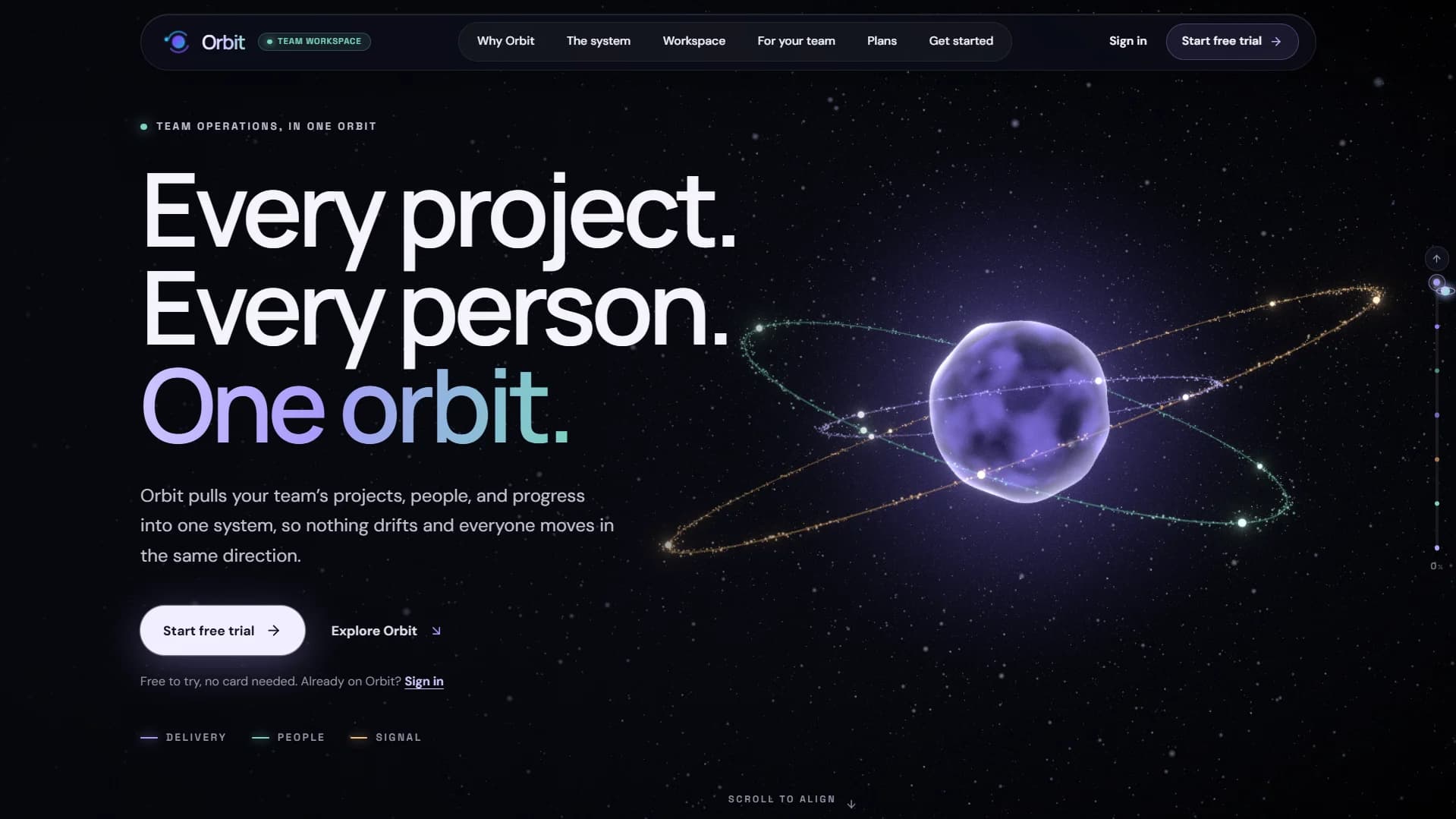 Team platformOrbitRun your software team from one place.5roles, each with a workspace of its own12tools a company can switch on or off1private space per company, never shared
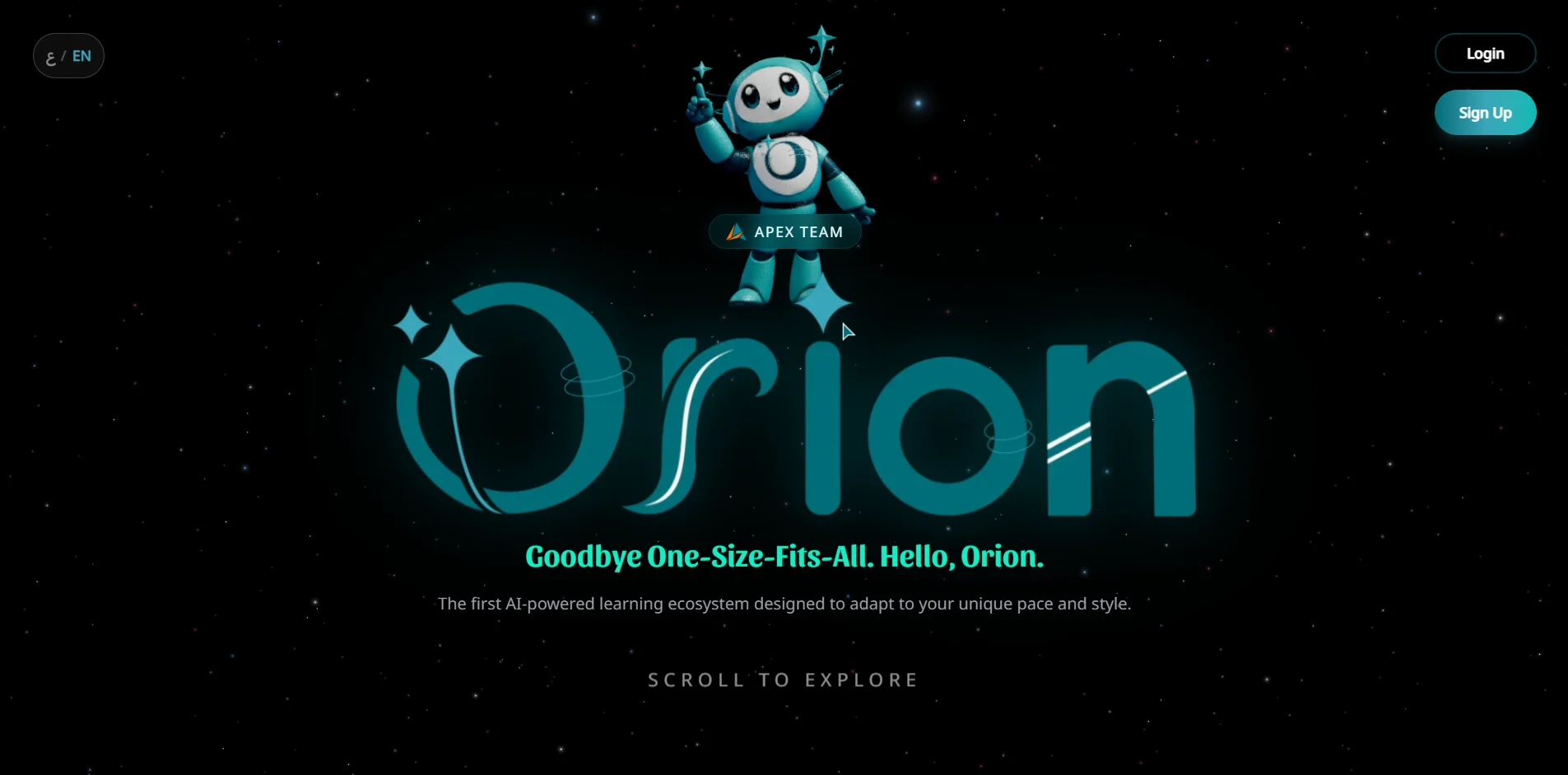 Learning platform
 OrionA plan for every student, and a clear view for every teacher.4kinds of people it serves: student, teacher, parent, administrator3places it runs: the web, iPhone and Android24/7an assistant that answers at any hour
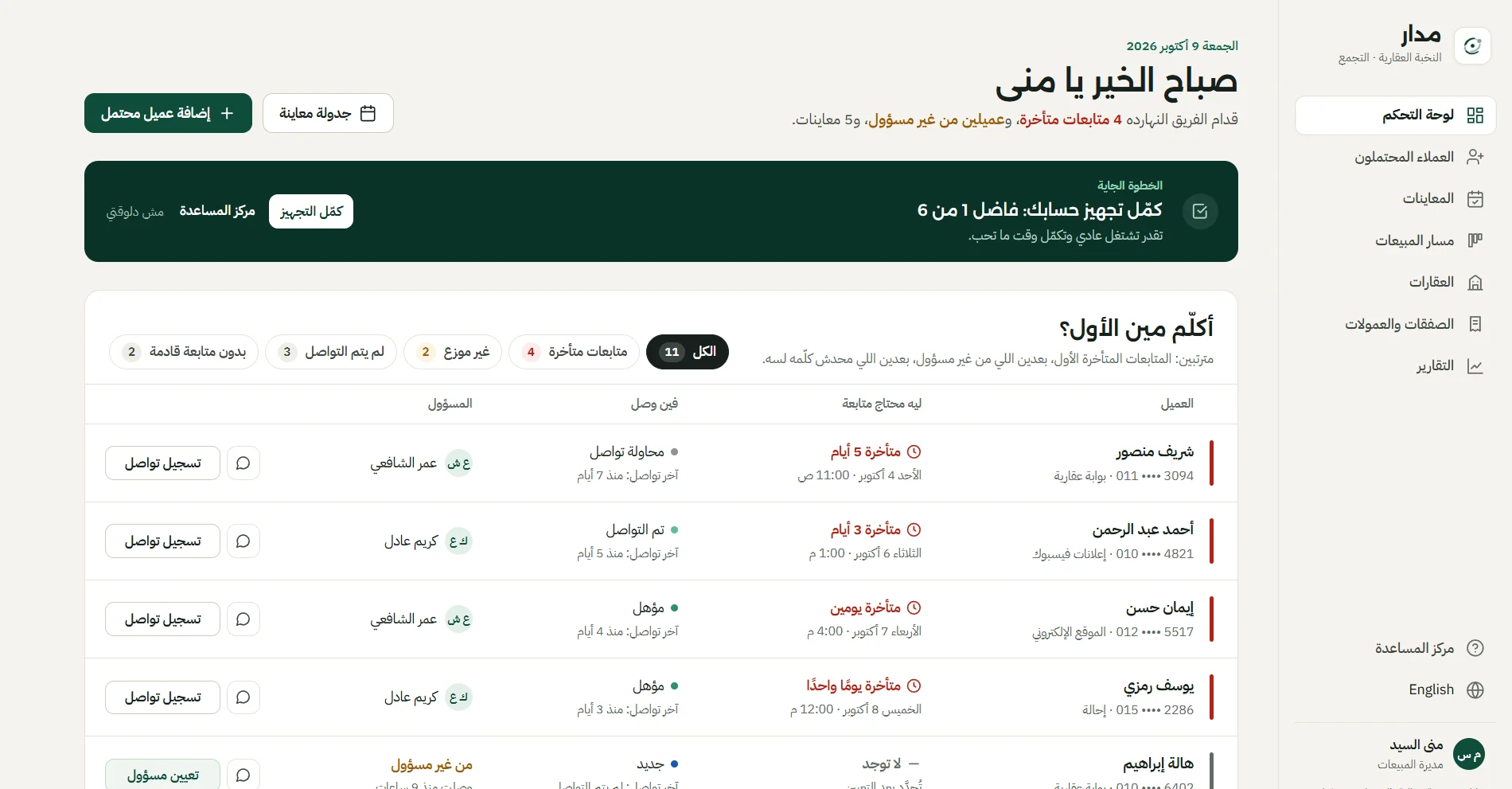 Client system
 MadarA CRM for real estate brokers, from the first call to the collected commission.10screens covering a broker's working day5stages from first contact to contract6reports answered from the live records
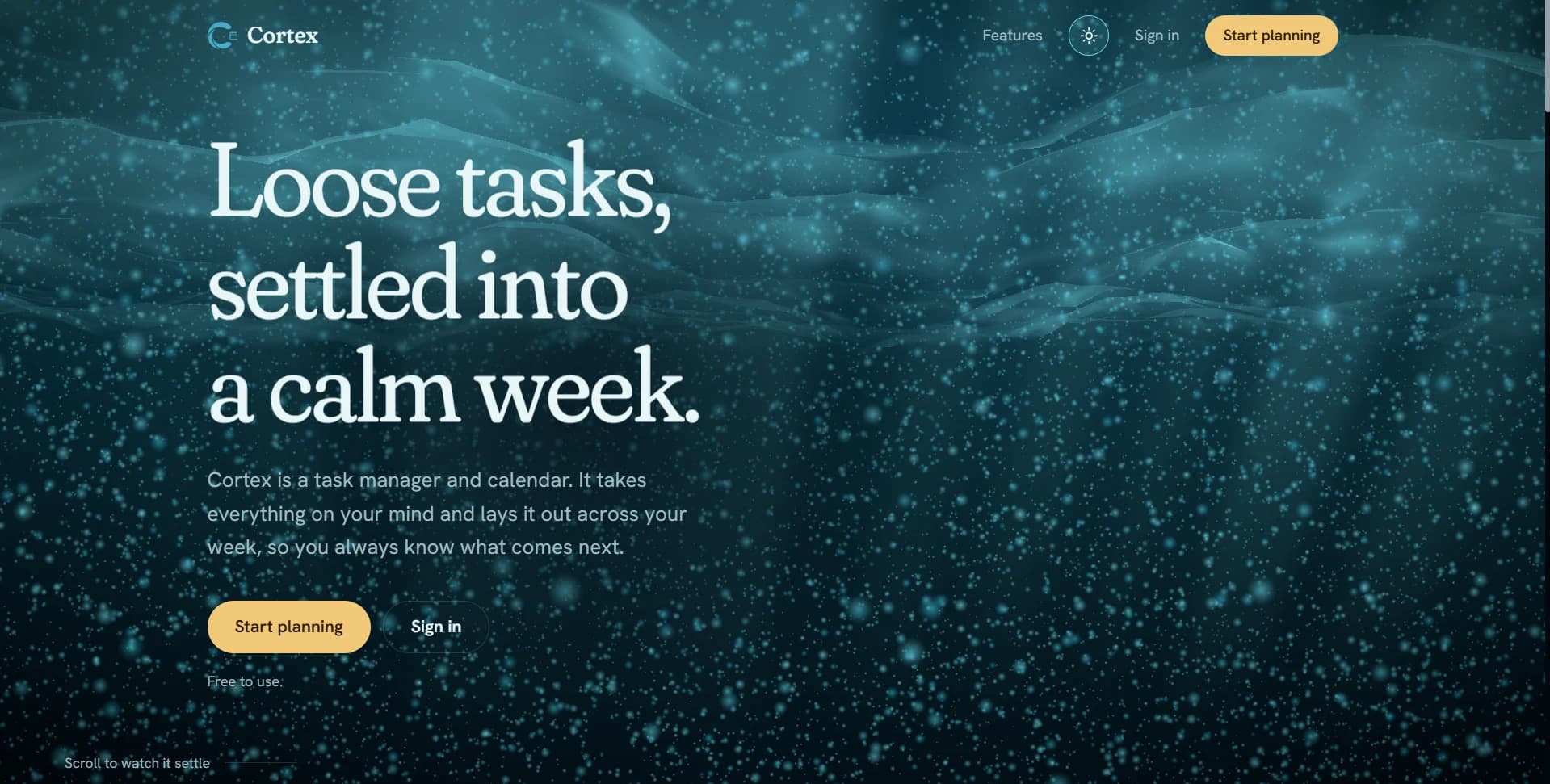 Web app
 CortexA task manager and calendar that lays everything on your mind out across the week.3ways to see your time: month, week and three days7days ahead, with how full each one already is1account that follows you across your devices
How delivery runs, and what you hold at each step.
Nine steps in the same order every time. Each one ends with something written that you can keep.
Step 1 of 9
Qualification
A short call. We check the problem is real, urgent, and one we can serve well. If it is not, we say so.
You receive
Fit note
- The problem in your words
- Who decides and by when
- Whether we are the right team
Step 2 of 9
Discovery
We sit with the people who do the work and write down how it really happens.
You receive
Workflow map and requirements
- Every step, who does it, what it costs
- What the system must do
- How we will know it worked
Step 3 of 9
Estimate and risk review
We size the work and name what could go wrong before you commit to anything.
You receive
Estimate with a risk log
- Effort by milestone
- Assumptions we are making
- Risks, and who watches each
Step 4 of 9
Proposal and contract
One document with the outcome, the scope, the price and the terms.
You receive
Proposal
- Scope and exclusions
- Milestones and payments
- Who owns what, and support
Step 5 of 9
Kickoff
We agree the plan, the people and how we will talk each week.
You receive
Milestone plan
- Dates for each milestone
- What we need from you, and when
- One named owner on each side
Step 6 of 9
Design, build, test
Work is built in small pieces you can see and use, not revealed at the end.
You receive
Working release on staging
- A link you can open
- What changed since last time
- What was tested
Step 7 of 9
Your review
You check the work against the criteria we agreed at the start.
You receive
Acceptance checklist
- Each criterion, passed or open
- Open items with an owner
- Your sign-off
Step 8 of 9
Release and handover
The system goes live and everything needed to run it is handed to you.
You receive
Runbook and handover
- How to run and restore it
- Access handed over securely
- Known limits, written down
Step 9 of 9
Support and review
We stay within agreed hours and response times, and look back at what we learned.
You receive
Support terms and monthly report
- What support covers
- What was fixed this month
- What we would do differently
What we put in writing before any work starts.
A system is only as dependable as the agreement around it.
Ownership is settled first.
Who owns the code, the designs and the data is written into the agreement before the first line is built. We do not reuse your code or your data for anyone else without your permission.
Scope has two lists.
What is included, and what is not. Hosting, third-party fees, training and migration are each named as in or out.
Changes are priced before they are built.
A new idea mid-project becomes a short change request with its cost and its effect on the date. You decide with both in front of you.
Done has a definition.
Acceptance criteria are agreed at the start, so the end of the project is a checklist and not an argument.
Payments follow milestones.
You pay as agreed pieces of work are delivered, on a schedule you saw before signing.
Support has edges.
Hours, response times and what falls outside the plan are stated, so nobody is guessing at two in the morning.
Your data stays where you put it.
Client data does not appear in public demos or get passed to outside tools without your authorisation.
Orbit
NOVA's own product, in early access.
Alongside client work we build and run a product of our own. Orbit is opening to a small number of early teams. We would rather show you where it is today than describe where it might be.
You have just written most of a brief.
This is the first document we would write together. Yours already has a start. Correct anything, add your details, and send it.